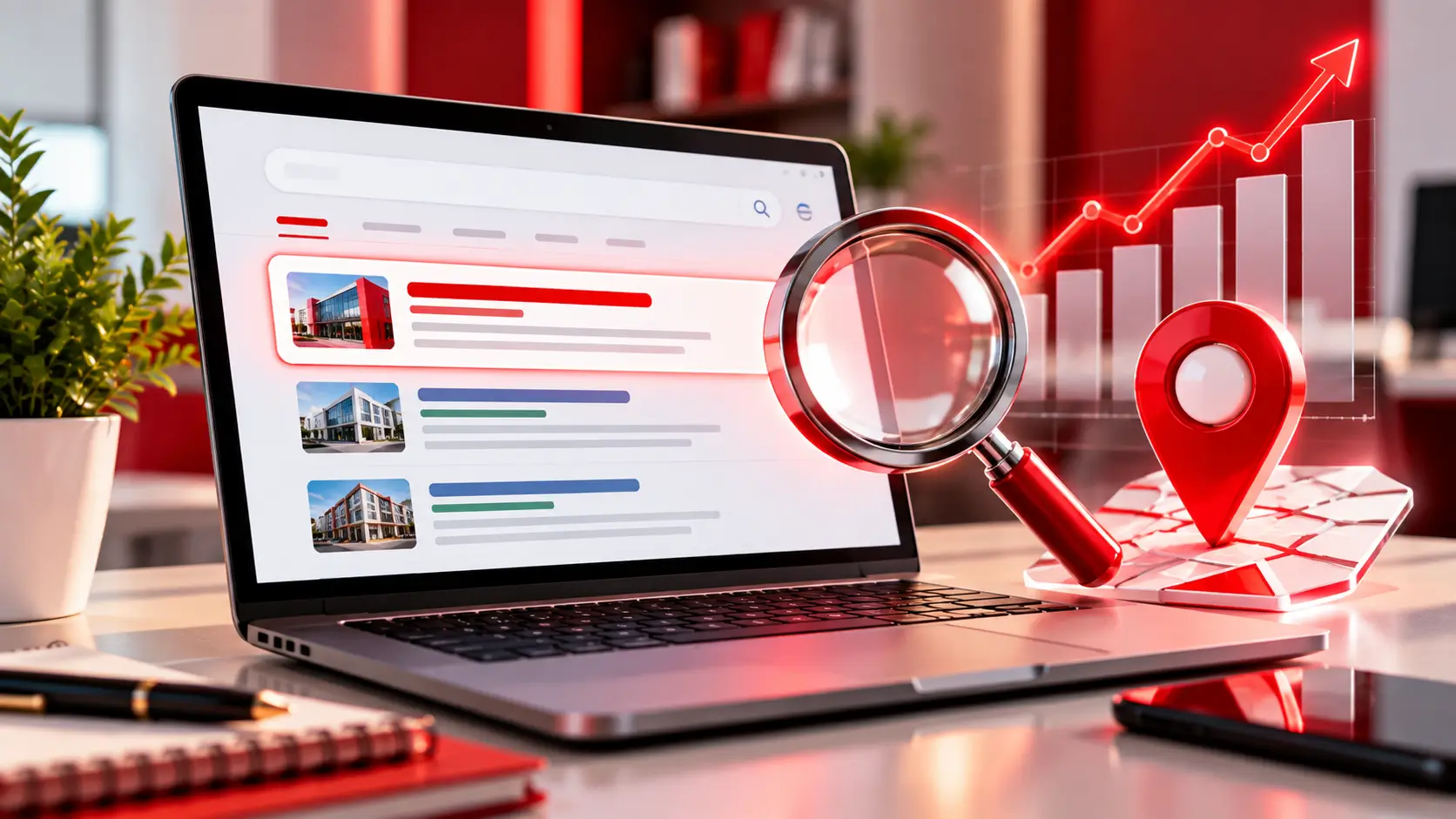
SEO stands for search engine optimisation. In simple terms, it is the work of making your website easy for Google and other search engines to find, understand and recommend, so that people searching for what you offer find you instead of your competitors.
When someone types "web designer in Mombasa" or "best school in Kilifi" into Google, the search engine picks the pages it believes are most helpful and trustworthy. SEO is how you give Google clear reasons to choose your pages.
Why SEO matters for your business
People who search on Google are usually ready to act. They are not scrolling for fun; they are looking for a solution. Appearing in front of them at that moment is one of the most valuable forms of marketing there is.
High intent visitors
People searching for your service are already interested in buying.
Long lasting results
Good rankings keep bringing visitors without paying for every click.
Trust and authority
Businesses that rank well are often seen as leaders in their field.
Local customers
Local SEO puts you on Google Maps for people nearby.
How search engines decide who ranks
Google uses many signals, but they can be grouped into a few easy ideas. Is the page relevant to the search? Is it helpful and well written? Is the website fast, secure and easy to use on a phone? Do other trusted websites and real customers vouch for it?
The main types of SEO
On page SEO
This is everything on your own pages: clear titles, helpful headings, useful content that answers real questions, descriptive image text and sensible links between your pages. Each important service should have its own well written section or page.
Technical SEO
This makes sure search engines can crawl and understand your site. It covers speed, mobile friendliness, security with SSL, a sitemap, clean web addresses and structured data that describes your business to Google.
Local SEO
For businesses serving a town or region, local SEO is often the fastest win. It includes a complete Google Business Profile, accurate contact details everywhere online, real customer reviews and local keywords such as your town name.
Off page SEO
This is your reputation beyond your own website: links from respected sites, mentions in local directories and media, and genuine social media activity. Quality matters far more than quantity.
Be careful: nobody can honestly guarantee the number one position on Google. Be cautious of anyone promising instant rankings or selling cheap links. These shortcuts can get a website penalised. Real SEO is steady, honest work.
SEO and AI search
More people now ask AI assistants for recommendations. These tools also rely on clear, trustworthy, well structured information. The same good habits help with both: accurate business details, helpful content that answers questions directly, frequently asked questions sections and a site that is easy for machines to read.
Quick SEO checklist for your website
- Every page has a clear title and a helpful description
- Your website loads quickly and works well on phones
- Your site has SSL, the padlock in the browser
- Your Google Business Profile is complete, with photos and reviews
- Your name, phone and address are the same everywhere online
- Each main service has its own detailed section or page
- You publish helpful articles that answer customer questions
- Images have descriptive alt text
How long does SEO take?
SEO is a long term investment, not a switch. Some improvements, such as fixing technical problems or completing your Google Business Profile, can help fairly quickly. Ranking for competitive searches usually takes consistent work over several months. The good news is that results tend to grow and last.
- Audit. Find what is holding your site back today.
- Research. Discover the words your customers actually search for.
- Fix and optimise. Improve speed, structure, titles and content.
- Build authority. Grow reviews, local listings and quality links.
- Measure and improve. Track rankings and enquiries every month.
Frequently asked questions
What does SEO stand for?
SEO stands for search engine optimisation. It means improving a website so it appears higher in search engines such as Google for relevant searches.
Is SEO better than paid adverts?
They work best together. Paid adverts can bring visitors immediately while you pay, and SEO builds free, long lasting visibility over time. Many businesses start with both and adjust based on results.
Can I do SEO myself?
You can do the basics yourself, such as completing your Google Business Profile, asking customers for reviews and writing helpful content. Technical SEO and competitive keywords usually benefit from professional help.
How do I know if my SEO is working?
Track your Google rankings for important searches, visitors from Google, calls and enquiries from your website and Google Business Profile. A good SEO partner reports these clearly every month.
Want your business to be found on Google?
Get a free SEO check of your website from WEBNET MASTERS, with honest advice and no fake promises.
Request a Free SEO Check Chat on WhatsApp